Teacher Valentine, Teaching Sweet Hearts
As a designer and embroidery product reviewer, I’ve seen my fair share of holiday-themed designs. But when it comes to something as heartfelt and professional as Teacher Valentine, Teaching Sweet Hearts, it’s important to evaluate how well it translates into real-world embroidery projects. This design isn’t just for show—it’s meant to be stitched, applied, and sold. Let’s take a closer look at what makes it work and where it might fall short.
The First Impression: A Design That Speaks to Educators
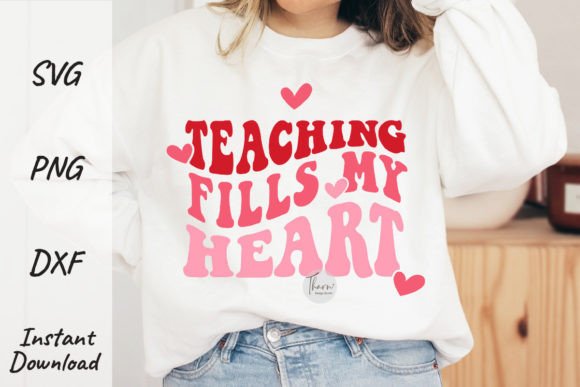
From the moment you open the file, Teacher Valentine, Teaching Sweet Hearts feels like a thoughtful gesture. The design centers on a heart with a subtle "Teacher" message, blending affection with professionalism. It’s clean, modern, and has a soft, approachable aesthetic that works well for both personal and commercial use. The layout is balanced, with enough detail to stand out without being overwhelming. It’s clear this was designed with educators in mind—someone who values appreciation, creativity, and a touch of warmth.
The visual personality of Teacher Valentine, Teaching Sweet Hearts leans toward simplicity, making it versatile for a range of projects. Whether it’s a custom embroidered tote bag or a personalized sweatshirt, the design doesn’t demand too much attention but still makes an impression.
Real-World Embroidery Performance
When it comes to machine embroidery design, practicality matters. Teacher Valentine, Teaching Sweet Hearts performs well on standard fabrics like cotton, denim, and lightweight polyester. The stitch density is moderate, which means it won’t cause puckering or distortion on most materials. However, if you’re working with stretchy or thin fabric, extra care is needed to ensure the design stays intact after washing.
This design works best on flat surfaces, such as t-shirts, tote bags, and aprons. It also has potential for embroidered patches, which could be used on backpacks, jackets, or even baby onesies. For more complex items like caps or curved surfaces, the design may require some adjustment to maintain clarity and symmetry.
If you’re planning to use Teacher Valentine, Teaching Sweet Hearts for a craft business or Etsy listing, it’s worth testing it on different fabric types. The transparent background in the PNG file gives flexibility for mockups, but keep in mind that the design may need to be resized or repositioned depending on the project.
Where to Use It Carefully
While Teacher Valentine, Teaching Sweet Hearts is a solid choice for many embroidery projects, there are a few areas where caution is advised. Small hoop sizes may not accommodate the full design without cropping or scaling, so always check your hoop dimensions before starting. If you’re using this on dark fabric, consider adjusting thread colors for better visibility.
Textured or layered garments can also pose challenges. If the fabric has a lot of weave or thickness, the design might not sit flush or could become distorted. Similarly, if you’re working with delicate or stretchy materials, a proper stabilizer is essential to prevent shifting during stitching.
For intricate details, such as small lettering or decorative accents, it’s wise to test the design on scrap fabric first. While the overall structure of Teacher Valentine, Teaching Sweet Hearts is straightforward, any tiny elements may need extra attention to ensure they come out cleanly and clearly.
Visual Appeal and Customer Perception
One of the biggest advantages of Teacher Valentine, Teaching Sweet Hearts is its ability to convey emotion without being over-the-top. It’s a design that feels genuine, which can translate into higher customer trust and satisfaction. When used on handmade products or personalized gifts, it adds a sense of thoughtfulness that resonates with buyers.
For small shop products or boutique branding, this design can help reinforce a professional image. It’s clean enough to fit into a variety of styles, from rustic to modern, and its simplicity makes it easy to pair with other elements in a larger design scheme. As a digital embroidery file, it’s also great for printable mockups, allowing sellers to showcase their work effectively.
Practical Designer Notes
Before finalizing any project with Teacher Valentine, Teaching Sweet Hearts, here are a few key steps to follow:
- Test on scrap fabric: Always check how the design looks on the actual material you plan to use.
- Check thread color contrast: Ensure the chosen thread complements the fabric and stands out appropriately.
- Review stitch density: Confirm that the design isn’t too dense or sparse for your machine and fabric type.
- Confirm hoop size: Make sure the design fits within your available hoop dimensions.
- Inspect small details: Pay close attention to corners, curves, and text to ensure they’re sharp and clear.
- Test in black and white: Sometimes, a monochrome version can reveal issues that aren’t obvious in color.
- Compare light and dark backgrounds: This helps determine how the design will appear in different settings.
- Use proper stabilizer: Especially important for stretchy or textured fabrics.
- Check licensing: Make sure you have the rights to sell finished products or digital files.
These steps help ensure that Teacher Valentine, Teaching Sweet Hearts not only looks good but also functions well in real-world applications.
Conclusion: A Thoughtful Design for the Right Projects
Teacher Valentine, Teaching Sweet Hearts is a design that balances sentiment with practicality. It’s ideal for custom apparel, personalized gifts, and small business merchandise, especially when the goal is to create something meaningful yet professional. While it has limitations in certain situations, its versatility and emotional appeal make it a strong addition to any embroidery project or digital product library.
Whether you’re an Etsy seller, a craft business owner, or a hobbyist looking to add something special to your portfolio, this design offers a solid foundation for creating something that resonates with teachers, students, and anyone who appreciates a heartfelt touch.